Wire products used in Oil & Gas, Automotive, Aerospace, and Industrial manufacturing operate under demanding conditions—high heat, corrosion, vibration, pressure, and continuous duty cycles. In these environments, performance cannot be “assumed.” It must be proven through documentation that shows exactly where the material came from, how it was manufactured, and that it meets every specification required.
This is the role of traceability.
It creates a complete record of alloy chemistry, processing stages, testing results, inspections, and certifications. It ensures the wire a customer receives is the wire that was intended—verified through its entire history.
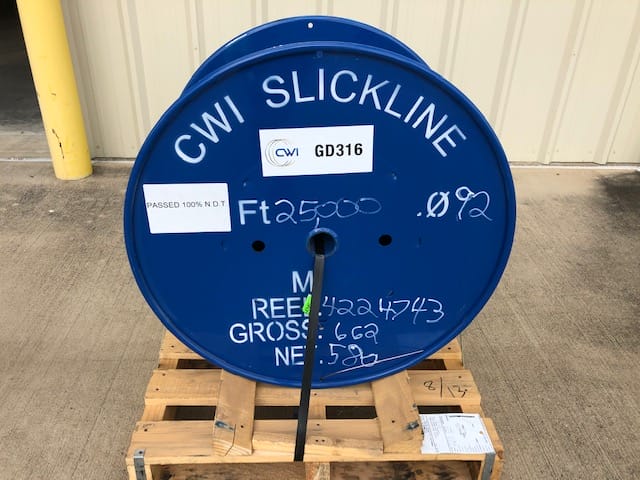
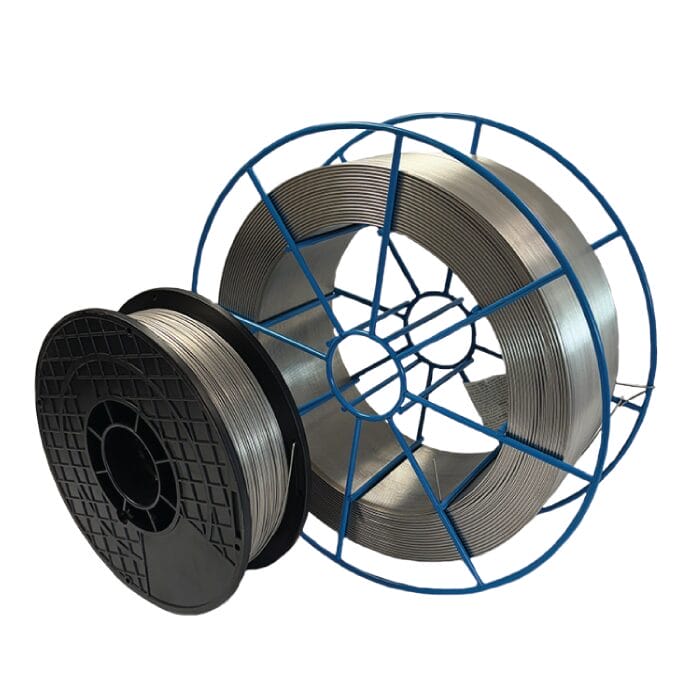
Two products in particular demonstrate how essential traceability is to long-term reliability: Slickline and Welding Wire.
Slickline: Downhole Confidence Fueled by Complete Documentation
Slickline operates in some of the harshest environments in the world. Oil & Gas wells expose wire to extreme tensile loads, corrosive fluids, temperature swings, abrasion, and cyclic fatigue. Failures are costly—not only financially, but in safety, downtime, and operational risk.
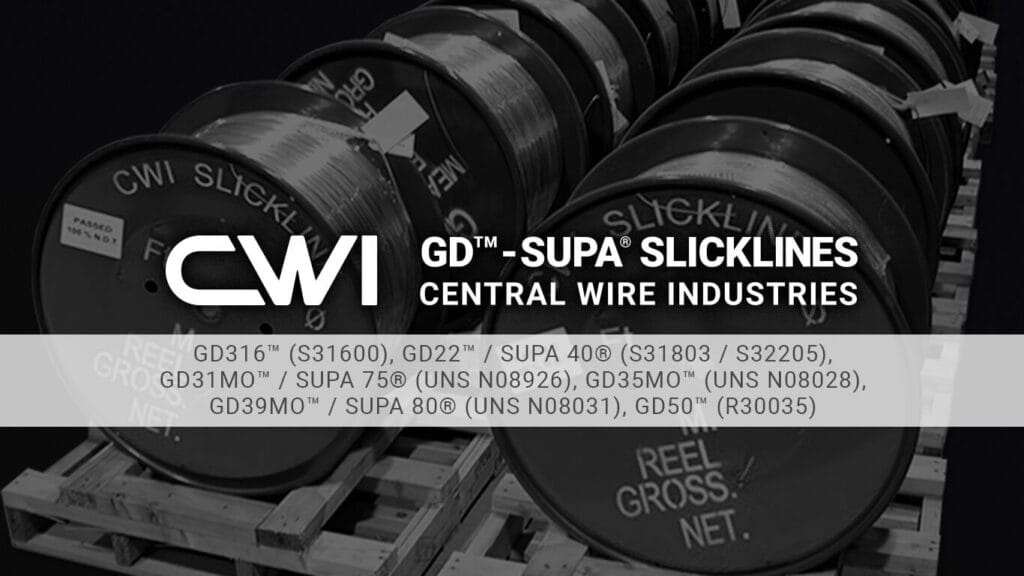
This is why Central Wire’s GD™-SUPA® Slicklines are built with traceability at the core of their manufacturing process.
Each reel carries a detailed record of:
- Alloy chemistry verified from the melt
- Dimensional accuracy confirmed through inspection
- Tensile strength validated through destructive testing
- Surface finish and coating integrity checks
- Mechanical properties tied to lot identification
- Quality records and certifications aligned to industry standards
This means customers know exactly how their Slickline was produced and what its performance characteristics are—long before it enters the well.
Traceability transforms Slickline from a commodity into a documented, engineered component. In Oil & Gas applications where conditions are unpredictable, this documentation becomes a protective barrier against uncertainty.
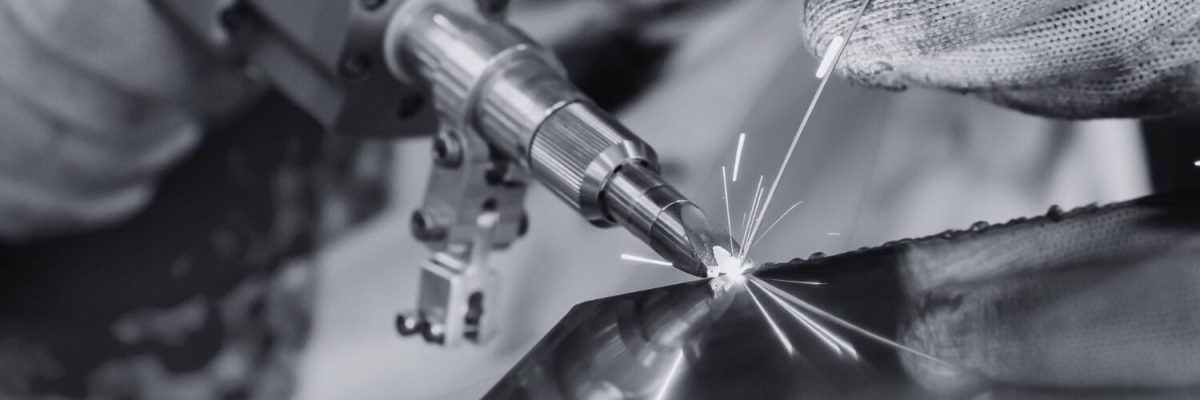
Welding Wire: Traceability Strengthens Every Weld
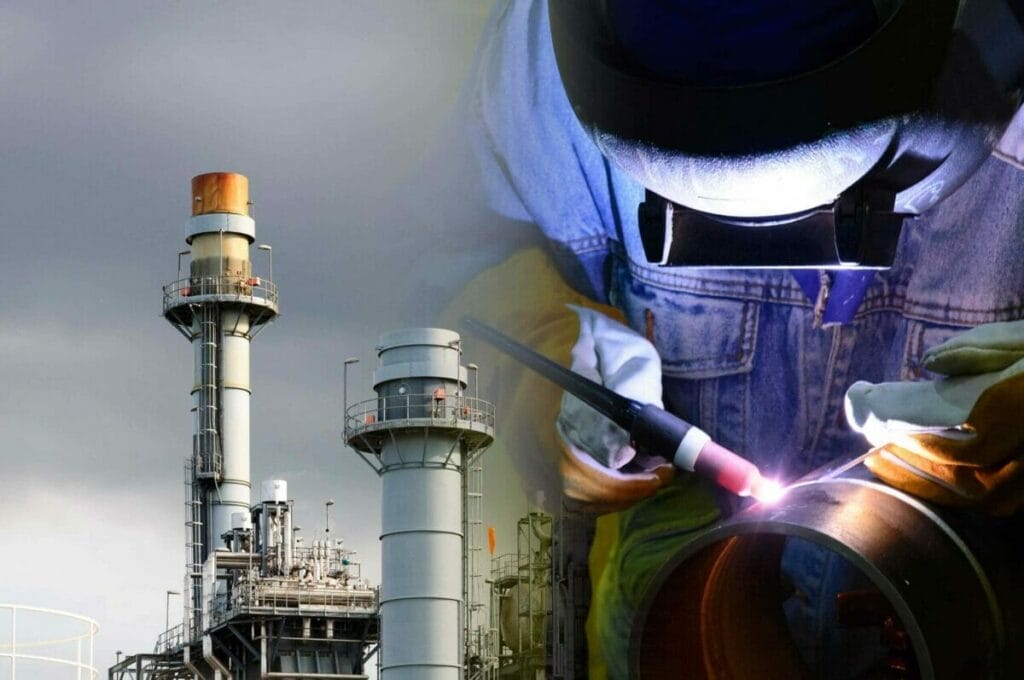
Every weld begins with the chemistry of the filler metal. If the alloy varies, if the surface is contaminated, or if the material history is unclear, the weld’s longevity and strength become compromised. For Automotive, Aerospace, and Industrial manufacturers, that risk is unacceptable.
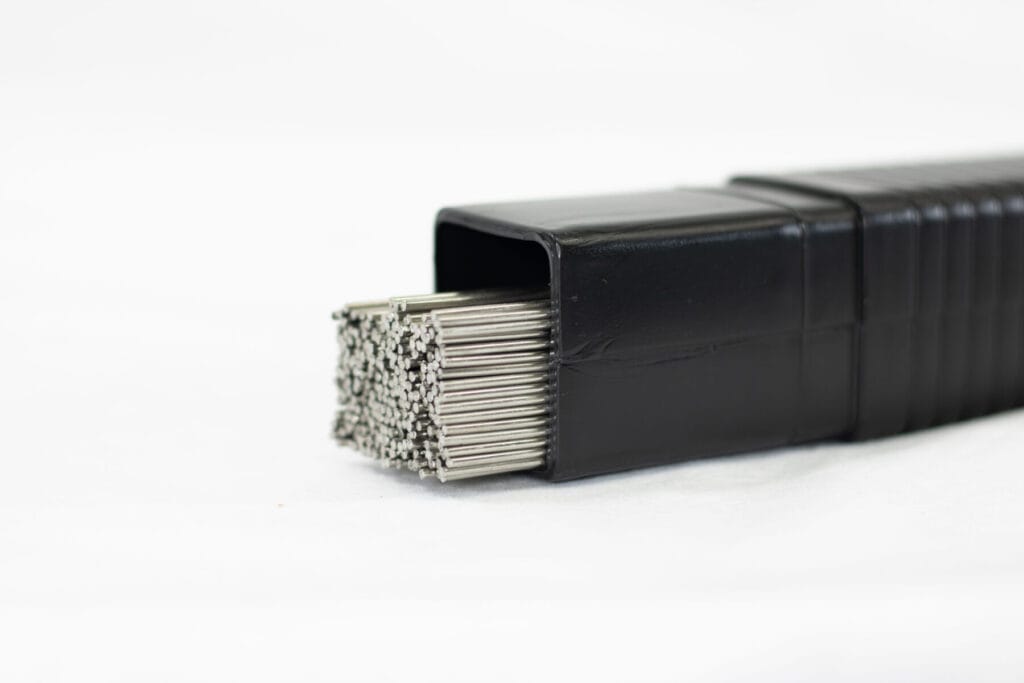
Central Wire’s MIG, TIG, and SAW Welding Wire eliminates uncertainty through complete traceability.
Each spool is tied to a documented chain that includes:
- Verified alloy chemistry
- Mechanical property results
- Surface preparation data
- Diameter and roundness inspection
- Lot identification for full backward traceability
- Certificates confirming compliance with global standards
This gives engineers and welders the ability to verify filler metal quality before welding even begins.
Traceability supports:
- Stronger welds
- Predictable mechanical performance
- Compliance with industry standards
- Accurate record-keeping for audits and quality systems
A reliable weld depends on reliable wire—and reliability depends on documented quality.

The Technical Depth Behind Traceability
Traceability is not a label or a tracking number. It is a rigorously structured system where every piece of technical evidence is tied to the final product.
For Slickline, that includes tensile tests, microstructural evaluation, corrosion assessments, and dimensional measurements.
For Welding Wire, it includes heat treatment data, surface condition records, and weldability assessments.
All of this information is logged, reviewed, and certified.
Traceability becomes both a manufacturing tool and a risk-reduction tool.
When customers choose Central Wire, they are choosing documented assurance—verified through data, not assumptions.
Why Traceability Matters in High-Risk Applications
Industries that use Slickline or Welding Wire operate under conditions where quality must be predictable and performance must be guaranteed.
- Oil & Gas needs wire that is proven downhole.
- Automotive requires welds that survive millions of vibration cycles.
- Aerospace demands metal with validated chemistry and mechanical consistency.
- Industrial fabrication relies on welds that are uniform and measurable.
In each of these sectors, traceability is not an optional feature—it is the foundation for operational safety and compliance.
A weld is only as strong as the filler metal behind it.
A downhole operation is only as reliable as the wire that powers it.
Traceability ensures both are supported by measurable, verifiable quality.
Global Production Under One Standard
Central Wire operates across the United States, Canada, and the United Kingdom.
Each facility follows one documented quality system, ensuring:
- Harmonized traceability requirements
- Identical documentation formats
- Shared testing standards
- Unified quality approvals
When a customer receives a reel of Slickline produced in one region or a spool of Welding Wire from another, the traceability system functions the same way.
This consistency is what transforms a multi-facility network into a single global quality platform—one where documentation moves seamlessly with every order.
Confidence You Can Follow
Traceability does more than outline how a product was made. It builds confidence into the system that uses it.
For Slickline, it means operators know the wire they are lowering into the well meets the mechanical and chemical requirements for safe downhole use. For Welding Wire, it means the welds created today will perform reliably long into the future.
Traceability removes uncertainty. It turns verification into a routine step, not a question mark. And it ensures that the wire customers rely on is backed by evidence that supports every claim.
Next Steps
Explore our Slicklines and Welding Wire to see how Central Wire delivers accountability through testing, certifications, and products built to last.
For project guidance or to request a quote, contact our team today at sales@centralwire.com